
Your needs, this model
Does it fit your priorities?
Is style M16737 a documented three-layer shell?
Yes. Marmot identifies the Evo Pro as a three-layer NanoPro rain shell. The layer count is a construction label, not a numerical waterproof or durability rating.
Explore this need in the finder →Do the M16737 pit zips and stow route occur on this same model?
Yes. The exact product page separately lists underarm pit zips and says the jacket can stow into its own pocket. The pocket location and compressed dimensions are not specified.
Explore this need in the finder →Does the Pro qualify for the recycled-nylon-ripstop face option?
No. The exact M16737 main-fabric specification is 100% recycled polyester plain weave, with stretch described separately. It is not the requested recycled nylon ripstop face.
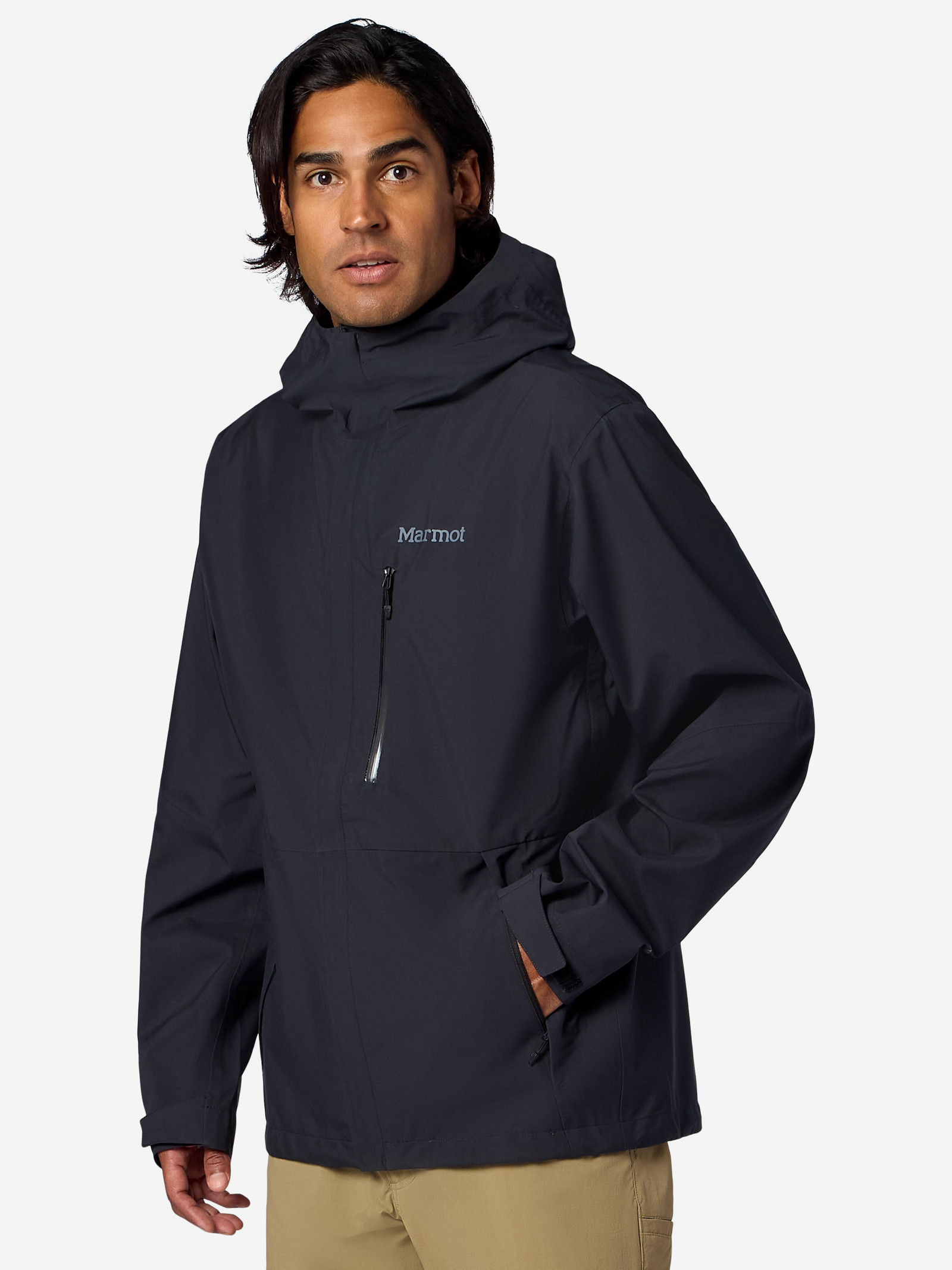
Explore this need in the finder →Marmot’s Men’s PreCip Evo Pro Rain Jacket, style M16737, is the three-layer member of the current PreCip Evo group assessed here. Its exact US page lists a recycled-polyester plain-weave main fabric with mechanical stretch, underarm pit zips, two low-set zip hand pockets, a zip chest pocket and an own-pocket stow method. It is a shell, not a product with a separate insulating liner listed on the page. The distinction from the 2.5-layer Evo and Evo Flex is more useful than their shared name.
Three layers, but no numeric membrane score
Marmot describes M16737 as a waterproof, breathable 3-layer NanoPro shell with mechanical stretch and seam-taped construction. The main fabric specification identifies 100% recycled polyester plain weave at 130 g/m². Marmot lists a garment weight of 417 grams and a center-back length of 30 inches. The page does not state a face denier or provide numerical waterproof-pressure or breathability test results. A three-layer label can help separate construction types; it does not prove a particular rain-performance level, lifespan or comfort in motion.
The fabric weight is a specification for the material, not the weight of the jacket. It also should not be used alone to rank abrasion resistance or quality. Marmot labels the style Regular Fit and lists S through XXL; consult the current men's chart and check the exact size over the layers you expect to wear. The reviewed page offers no basis for a personal fit recommendation.
Useful access and carry details
The feature list names pit zips, a type of opening the wearer can use to increase airflow. The page also lists two zip hand pockets set low and describes them as compatible with most pack belts and harnesses. A separate zip chest pocket is intended to remain accessible with a pack or harness on. These are manufacturer layout descriptions; they do not guarantee pocket access with every pack or torso shape.
Marmot says M16737 can be stowed into its own pocket, but the checked page does not identify the pocket used or give packed dimensions. The product also has an ergo hood with peripheral cord adjustment, an adjustable drawcord hem and hook-and-loop cuff tabs. A tricot-lined chin guard is listed. These details describe adjustability and storage, not a controlled storm test, a quantified breathability result or a promise that the hood will fit a particular helmet.
Keep the face-fabric difference clear
The Evo Pro is the only one of these three styles that the checked Marmot page identifies as a 3-layer shell. Its face/main fabric is recycled polyester plain weave. It therefore does not satisfy a recycled-nylon-ripstop material requirement. The PreCip Evo M16733 is 2.5-layer and names 100% recycled nylon ripstop with a qualified C0-DWR PFAS statement, but its feature list does not establish pit zips. The PreCip Evo Flex M16738 is also 2.5-layer; its stretch polyester ripstop fabric and pit vents are a distinct combination. Its pocket stow is specifically identified as the left hand pocket, unlike the Pro’s unspecific own-pocket note.
The Pro product page does not state a PFAS position for this style. That is why the record does not include it for the narrow “without intentionally added” finder choice. Nor does it state that the face fabric is recycled nylon or ripstop. These absences are left as unknown or nonmatching facts rather than being inferred from the Evo family.
Fit, care and who should compare it
Marmot’s care list calls for cold machine washing, liquid detergent, a gentle cycle and low tumble drying; it advises against powdered detergent, fabric softener, ironing, bleach and dry cleaning, says to rinse twice and not to store the jacket wet. Check the sewn-in instructions because the received season or style edition is the final reference.
Compare M16737 if a documented three-layer shell with pit zips and self-stow is central to the job, while understanding that the material is plain-weave recycled polyester rather than recycled nylon ripstop. Check the current chart, intended pack-belt position and specific color/size/seller. No firsthand wear, rain or durability test was performed for this assessment, and this article makes no claim about current price or availability.
Key specifications
Key details at a glance
| Shell construction | 3-layer shell |
|---|---|
| Manufacturer-listed weight | 417 g |
| Manufacturer fit label | Regular fit |
| Gender-inclusive sizing | No |
| Face fabric | 100% recycled polyester plain weave · mechanical stretch |
| Underarm venting | Marmot lists underarm pit zips; no independent ventilation test is implied. |
| Stows in its own pocket | Yes |
Use the exact model’s instructions for operating limits, supplied equipment and version differences.
Sources for this review
Sources for this assessment
Build a shortlist from documented features
The finder compares explicit product facts, not a rain test, fit guarantee or promise of comfort.