
Your needs, this model
Does it fit your priorities?
Is the Slicker a three-layer shell?
No. Patagonia specifies a two-layer 210-denier recycled-nylon ripstop body with a TPU-film laminate. It is a different construction from the reviewed three-layer Torrentshell and Boulder Fork jackets.
Explore this need in the finder →Does the page establish this as an uninsulated shell?
The manufacturer gives a two-layer shell material description but does not explicitly say whether there is separate insulation. The matcher therefore does not count it as either shell-only or insulated when warmth is essential.
Explore this need in the finder →Can I rely on pit zips or storage pockets?
The checked feature list does not identify underarm vents, a pocket-stowing method or a pocket layout. Those are unknown for this assessment; confirm them for style 27892 if any is essential.
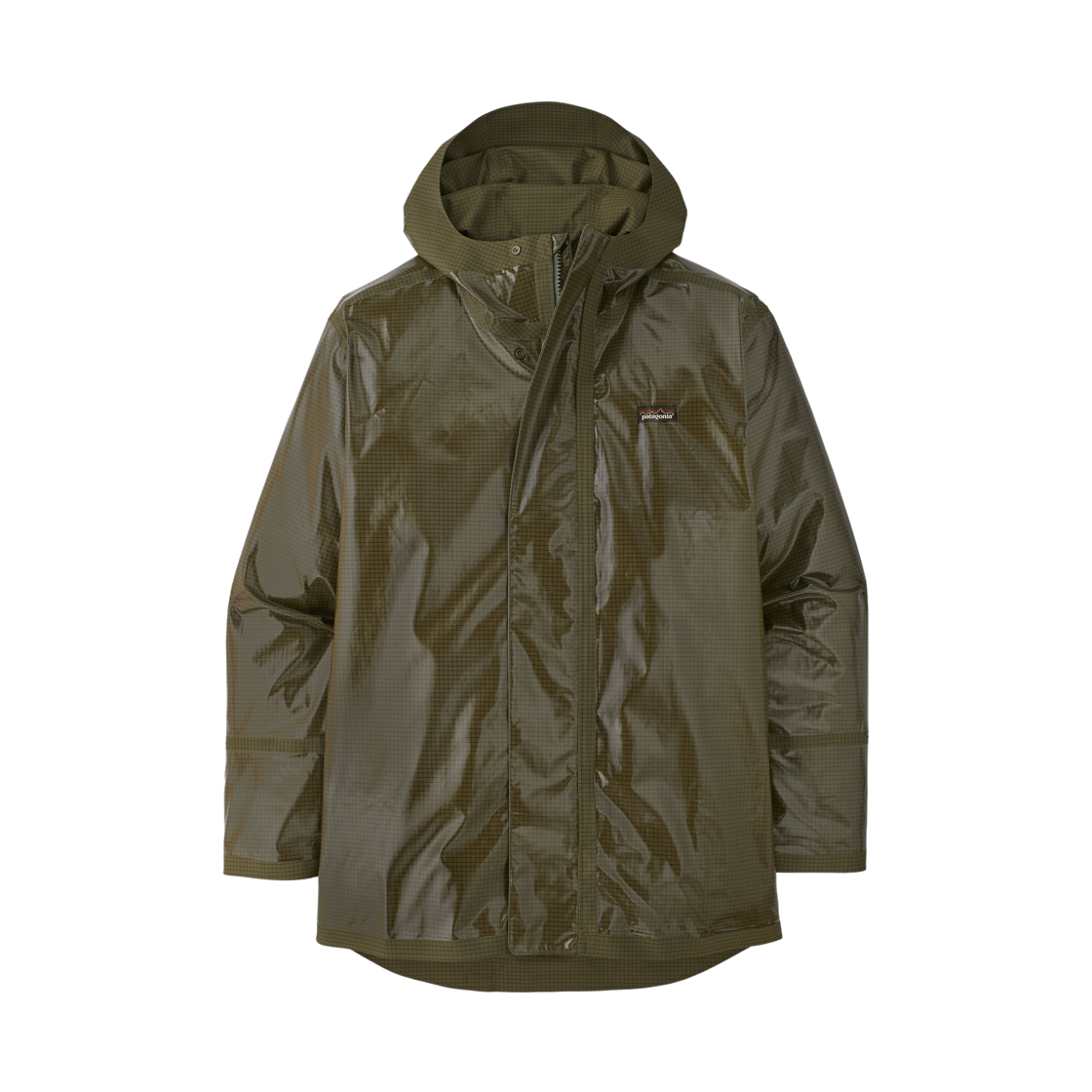
Explore this need in the finder →The Patagonia Hose-Down Slicker Jacket is the all-genders style 27892, not separate men's and women's models. The same jacket name appears in Patagonia's US men's and women's rainwear listings, but its product page identifies gender-inclusive sizing and says the unisex Hose Down styles use a men's fit block. The single style number and shared product page are why this assessment treats those two cards as one product. Patagonia calls the cut relaxed and says it accommodates layers. That combination points toward a roomy work jacket rather than a trim layer designed around a close-fitting running kit.
A two-layer laminate for wet work
Patagonia specifies a two-layer construction: a 7.9-ounce, 210-denier face made from 100% recycled nylon ripstop, backed by a TPU-film laminate. The maker describes the fabric as waterproof and highly abrasion-resistant, and positions the jacket for demanding wet work on land and at sea. Those statements indicate the purpose of the design, but they are not independent durability testing. The page gives no hydrostatic-head value, lab method, breathability result, or abrasion test from which to compare it numerically with a technical hiking shell.
The 210-denier material is a useful point of distinction from the much lighter-fabric, three-layer mountain shells elsewhere in this library: the Men's Torrentshell 3L (style 85241), for example, is listed at 400 g and uses a 50-denier recycled nylon ripstop face with a membrane and tricot backer. The Slicker is listed at 697 g. That is a manufacturer-published figure, not a sample we weighed. A buyer choosing between them should start with the intended job: 27892's maker-described workwear coverage and cuff arrangement, or the Torrentshell's separately documented vent openings and pocket-stowing design. Neither paper comparison certifies performance in a particular storm.
Coverage and closures are the clearest functional details
The fixed hood closes with hook-and-loop material. Patagonia says the design avoids loose ends that could catch on machinery or fishing lines. It is a specific work-oriented choice, but the checked feature list does not describe an adjustable drawcord or a stow method. Consider whether the fixed shape and closure suit the headwear and visibility needs of the task; the product description alone cannot confirm how it will fit an individual or interact with protective equipment.
At the front, a zipper is paired with snap closure. Patagonia says this combination seals out mud and moisture and is manageable with gloves. That description does not establish a waterproof zipper by itself. The cuffs are more specialized: the maker describes stretchy TPU nylon with a hook-and-loop D-ring strap, intended to tighten into a watertight seal. The drop-tail hem adds coverage at the back, which Patagonia specifically relates to working while kneeling on a deck. These are concrete design cues for someone who values cuff adjustment and extra rear coverage more than a minimal trail-running pattern.
Fit block, warmth, pockets and ventilation need care
Although Patagonia calls the sizing gender-inclusive, it also says this unisex line is built on a men's fit block and advises women to choose one size smaller than their usual size. Treat that as the manufacturer's starting guidance, not a promise about an individual's proportions. Check the current size chart for style 27892 and, where possible, move and bend in the jacket over the layers intended for work. A relaxed fit and room for layers do not specify sleeve reach, hem movement, or compatibility with another garment.
The specification says “two-layer,” but it does not clearly answer whether a separate insulating component is included. This assessment therefore does not count the Slicker as either shell-only or insulated when warmth is a required feature. Build warmth from layers only after confirming the exact garment details. The listed feature set also does not identify underarm vents, a pocket layout, or a pocket-stowing method. Those omissions stay unknown here: the absence of a feature in the text is not proof that a particular version lacks it. If ventilation or secure storage is essential, verify that question for the exact style and listing before choosing.
Care and environmental claims
Patagonia identifies the fabric as bluesign® approved and says the jacket is made in a Fair Trade Certified™ factory in Vietnam. The page's care guidance is to machine wash warm, avoid bleach, tumble dry low and use a cool iron. Follow the label on the garment you receive if its instructions differ. The checked feature list does not make a statement about intentionally added PFAS; recycled content or a bluesign reference is not a substitute for a specific chemical statement.
Who should investigate this model further?
Style 27892 is worth a closer look when the request is for a gender-inclusive, roomy rain jacket with a substantial recycled-nylon ripstop face, a two-layer waterproof laminate, an adjustable cuff treatment and drop-tail coverage for hands-on wet work. Its workwear orientation is more distinctive than a generic “all-purpose” label. At 697 g, it is not the lightest of the researched options by its published weight, and the page does not document pit zips or pocket storage. The manufacturer supplies no numeric breathability or waterproof-pressure values, no temperature range, and no packed dimensions.
Before selecting an offer, match the name and style number—Hose-Down Slicker Jacket, 27892—and confirm color and size. Use Patagonia's fit-block note as a starting point, then check the actual layer combination and the need for pockets, ventilation, or warmth. Do not assume the listing includes accessories, or infer a compatible rain bib or fastening system from the word “Hose-Down.” We have not worn, measured, washed, or rain-tested this jacket; the assessment is based on the maker's written specification and its limits. See the manufacturer's style 27892 product details for the current source record.
Key specifications
Key details at a glance
| Shell construction | 2-layer laminate |
|---|---|
| Manufacturer-listed weight | 697 g |
| Manufacturer fit label | Relaxed fit |
| Gender-inclusive sizing | Yes |
| Face fabric | 100% recycled 210-denier nylon ripstop with TPU-film laminate |
Use the exact model’s instructions for operating limits, supplied equipment and version differences.
Sources for this review
Sources for this assessment
Build a shortlist from documented features
The finder compares explicit product facts, not a rain test, fit guarantee or promise of comfort.